So this week saw me traveling a little out of my local patch and going to the Peak District looking for Grayling spawning a member of the trout family they unlike salmon and brown trout spawn in the spring once the water starts to warm up and days get longer. Some huge brown trout were present and not camera shy for change normally they won't get close at all! all the images are screen grabs from filming.
While breeding they become so fixated with each other you can get very close to the fish
Here's a female Grayling other wise known as the lady of the stream sometimes seen as a pest to trout anglers i find them fabulous fish that deserve just as much admiration as brown trout.
The River Wye is one of the only rivers were rainbow trout breed in the UK.
Although the exact records are missing, it is believed that a consignment of very small fish was on its way to Scotland from the Washington state in the United States in 1910. for some reason they were put into a lake on the grounds of Ashford Hall to spend the winter. The river flooded that year and the rainbow trout found a new home.
The darker male and lighter female pairing up getting ready to breed. I'll be returning to get more footage of them hopefully breeding. While the Atlantic Salmon is the king of rivers the Grayling is called the lady of the stream and certainly deserves it title.
Even had a photobombing brown trout come into the video!
Grayling other wise known as the lady of the stream are a truly beautiful fish and a member of the trout family. One of the things I've started doing is trying to capture fish behaviour in this case males competing for the prime position and females.
This grayling bumped into the camera a few times! normally they can be quite a shy fish
This male had chased all others away and stayed in this area for a while
Grayling Fighting Video
Not to far away in Cromford Canal there are good numbers of pike
I was a bit unsure what they eat as the only other fish i saw was a brown trout which was actually bigger then the pike and attacked them!
The pike seemed to be gathering for breeding and the pike in the canal also seemed a bit smaller then there river cousins likely because of habitat size and food availability.
Hints -
- Take it slowly the fish are very spooky!
- Visibility is everything and you need it to get the clear shots
- Make sure you wash off after as there are plenty of nasty diseases in rivers like weils disease
2012 has been a fantastic year for wildlife for me, seeing my first great-crested newt, waxwings and otter and travelling from the Channel Islands to Scotland and everywhere in between!
There's no particular order as I enjoyed all the experiences equally!
1. Jersey, Channel Islands - Lizards and Red Squirrels
Another first: the squirrels proved a challenge but luckily came to a feeder. The Jersey red squirrels are darker than their Scottish cousins.
Jersey has two lizards not native to England but a few colonies in Dorset and scattered groups exist from releases. The aptly named green lizard is a large reptile reaching 40cm!
again the imaginativly named wall lizard is present around rocks and walls and with caution can be approached slowly.
Jersey was also the location for my last nature trail although never say never!
2. Isles of Scilly - Grey Seals
I won this trip in a competition and have always wanted to go to the Scillies. The climate means it never has frost and plays host to lots of species that are uncommon on the mainland.
The grey seals are quite common and this one had netting around it.
Seabirds were common with a colony of puffins in the summer though I'd missed that. The shags were present in good numbers instead.
3. Cornwall - Sand Lizards
This vibrant sand lizard is something of a secret in Cornwall. The population was reintroduced about 20 years ago and has become very healthy with a good number of them present in this location. I'd spent a week in Dorset and didn't find any - I went to a location only 40 minutes from where I live and found over 20 of the lizards!
4. Dumfires & Galloway - Starling Murmuration
It's a phenomenon I'd seen on TV but never in person and it was breathtaking to see thousands of birds working as one. The local buzzards and sparrowhawks also seemed to like it!
These are some of the most colourful birds you're likely to see in the UK. Having a massive influx of them into Nottinghamshire I knew I wanted to try and find one so went off with local birder Rob Hoare who found a flock of around 100! It's worthwhile finding local experts as they are going to know where your intended target is!
6. Peak District, Derbyshire - Grayling
Grayling have always been one of my goals for underwater photography and I finally got the chance to photograph and film them in the Peak District. With the water being so clear it made ideal conditions.
Thanks to Rob cuss for helping me out.
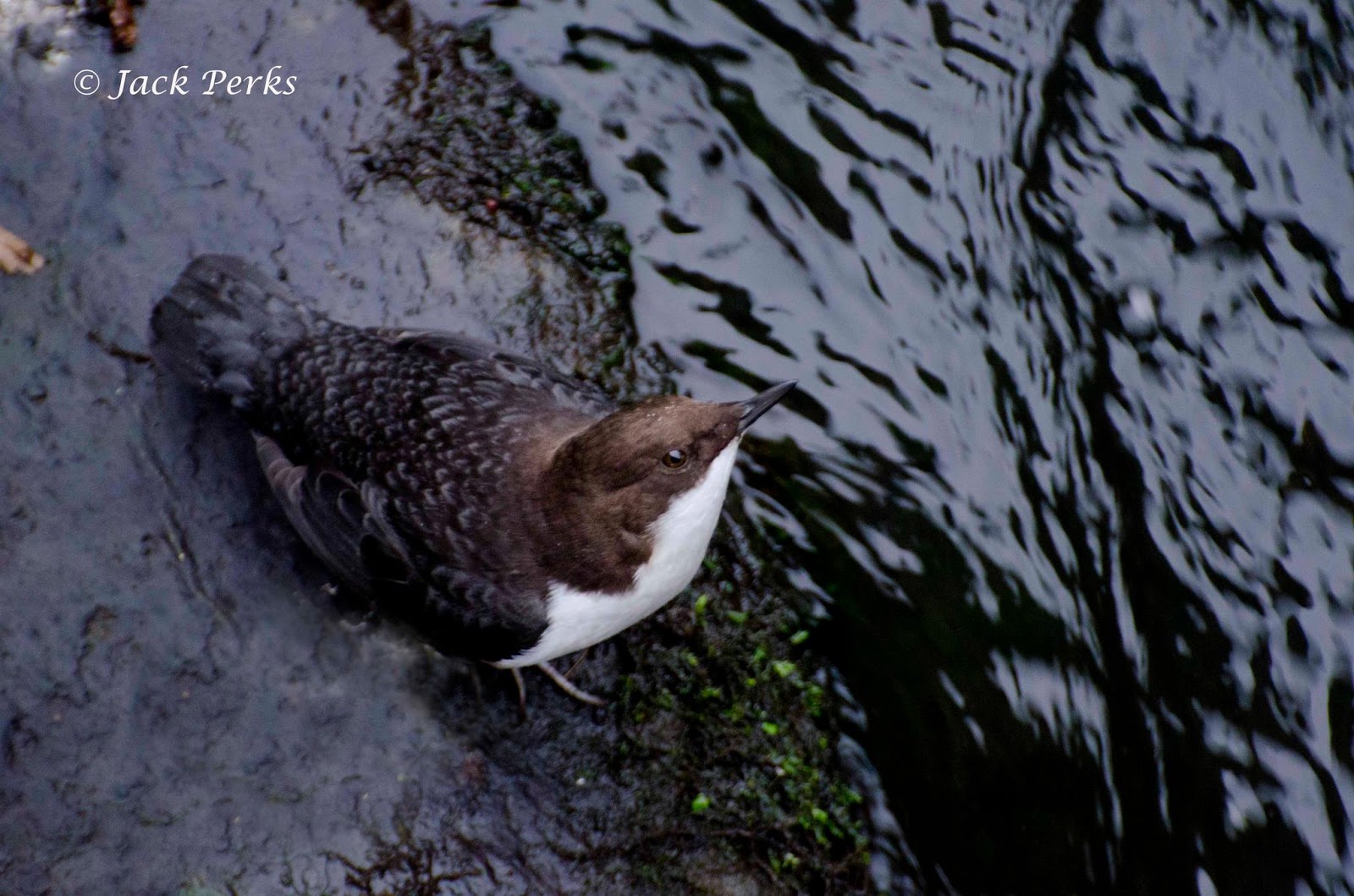
7. Norfolk - Dipper
While staying with fellow wildlife photographer Josh Jaggard we heard reports of a black-bellied dipper, a rare subspecies of the white-throated dipper.
It showed very well and was not bothered by all the birders who came to see it!
8. Dungeness, Kent - Marsh Frogs
I've heard of marsh frogs but never had a confirmed sighting until I went to Kent which is crawling with them! Every lake, ditch, canal and marsh has them and they have become a important food source for a lot of local birds.
9. Bristol - Insects
While having an exhibition in Bristol I took the time to get some shots in its local parks and found more wildlife than I'd expected! Newts, tadpoles, beetles, jackdaws are all living quite happily in the middle of Bristol.
Living so close to the peak district i thought it was about time i got over there did some photography! having been assisting with the BBC all week filming coarse fish i thought i'd keep up the piscatorial antics but go for brown trout and grayling two fish i have long been after to photograph but as of today never had a chance.
at first they proved a little shy but..
once they got used to my presence they were more then happy to pose for me!
to top it of i also saw kingfisher, dipper and rainbow trout though the brown trout proved a little camera shy.