Starting of my canal project this year at the Erewash Canal in Derbyshire. The plan was to photograph fish coming from the River Kennet in Wiltshire to the canal to repopulate it after a fire caused population and killed some of the fish in the Erewash.
One of the fine common or bronze bream being released
Taking nets full of small fish out of the oxygenated tanks into the canal is quick and is less damaging to them.
This was one of the larger perch 2lb +
The project is to look at native species, high light invasive species and show some of the more serious problems on canals like pollution and litter. Underwater photography will be used in the clearer canals!
if you have any interesting canal wildlife do let me know!
OK so I thought I’d go through some useful tips that have helped
me get some great shots when going after all kinds of subjects in the filed.
I'm not talking about the normal 'Get down low' or 'Eye contact' if your a
wildlife photographer this should be second nature!
So here’s my top 5
general photography tips
1. Treat your
camera like a lady, keep her clean, comfortable and try to press the right
buttons or something could go wrong!
Being out in the
rain, sand, mud and what other environment your in can really take a toll on
your camera and if you've got a expensive one make sure you keep on top of its maintenance
simple lens
cleaning kits (see below) are relatively cheap and can save money in the long
run like getting the sensor cleaned (I’d still recommend doing this though
every 6 or so months)
a filter will also
help keep the lens safe and away from dirt!
2. Bigger is
not always better!
i have quite a
large camera bag which fits all my kit in nicely though when walking up places
like the cairngorms can be quite tiring so a smaller bag can often be a better
choice allowing you to cover more ground.
3. Explore your
local patch
People get fixated
on travel all over the world or indeed UK to get the very best shots when often
it’s on your doorstep. Gardens, parks, even city centres all hold the fair
share of wildlife and provide a cheaper and easier study subject then going
abroad.
4. Talk to
strangers (not if they offer you sweeties though)
Dog walkers are
often the best I’ve found who see wildlife running away from the dog and can
let you know where they see them most or failing this wardens at wildlife
reserves will have excellent intel of where to find that pesky kingfisher!
also if you see
someone else with a camera pointing at a tree it s a good bet there a wildlife
photographer to most I’ve found to be nice people who will have a chat about what’s
a around and always a good networking opportunity.
5. Do some
video also!
Video often sells
more then photography and is easier to get into with people e.g. a wildlife
photographer works alone and wildlife cameraman works with a whole team of
soundman, editors and assistants.
With most modern
SLR cameras now having a video mode its even easier to get into.
The Cairngorms are the last true wilderness in the UK and home to a variety of wildlife with species like cappercallie, black grouse and pine martin not a impossibity (although did'nt help me much as i saw none of these!) i did however see many other species during my stay.
Crested tits are found all over europe but only found in scotland in the UK maibly due to there liking of rotting pine wood which is common in the highlands.
The red squirrel is another species that is often thought of thriving in the highlands but despite this they will live in warmer climates its just they can eat pine cones which the grey squirrel struggles to do.
By January most adult salmon have already spawned so this decaying salmon was no surprise to me, it was more of a surprise when i came back to find it had been moved and found that a otter had been watching me and moved 'his' meal.
Short video of me going after species
Some bloopers
Hints -
- During the cold tempertures animals tend to take risks more like coming close to you for food so a bag of seed or nuts is always handy to have
- Make no mistake the cairngorms is a dangerous place while staying there four mountaineers died climbing cairngorm! don't go alone to any location as the phone signal can be quite bad!
- May sound obvious but pack warm its bloody cold!
- Eat more, walking all day in the cold will burn lots of calories so you need to make up for it.
2012 has been a fantastic year for wildlife for me, seeing my first great-crested newt, waxwings and otter and travelling from the Channel Islands to Scotland and everywhere in between!
There's no particular order as I enjoyed all the experiences equally!
1. Jersey, Channel Islands - Lizards and Red Squirrels
Another first: the squirrels proved a challenge but luckily came to a feeder. The Jersey red squirrels are darker than their Scottish cousins.
Jersey has two lizards not native to England but a few colonies in Dorset and scattered groups exist from releases. The aptly named green lizard is a large reptile reaching 40cm!
again the imaginativly named wall lizard is present around rocks and walls and with caution can be approached slowly.
Jersey was also the location for my last nature trail although never say never!
2. Isles of Scilly - Grey Seals
I won this trip in a competition and have always wanted to go to the Scillies. The climate means it never has frost and plays host to lots of species that are uncommon on the mainland.
The grey seals are quite common and this one had netting around it.
Seabirds were common with a colony of puffins in the summer though I'd missed that. The shags were present in good numbers instead.
3. Cornwall - Sand Lizards
This vibrant sand lizard is something of a secret in Cornwall. The population was reintroduced about 20 years ago and has become very healthy with a good number of them present in this location. I'd spent a week in Dorset and didn't find any - I went to a location only 40 minutes from where I live and found over 20 of the lizards!
4. Dumfires & Galloway - Starling Murmuration
It's a phenomenon I'd seen on TV but never in person and it was breathtaking to see thousands of birds working as one. The local buzzards and sparrowhawks also seemed to like it!
These are some of the most colourful birds you're likely to see in the UK. Having a massive influx of them into Nottinghamshire I knew I wanted to try and find one so went off with local birder Rob Hoare who found a flock of around 100! It's worthwhile finding local experts as they are going to know where your intended target is!
6. Peak District, Derbyshire - Grayling
Grayling have always been one of my goals for underwater photography and I finally got the chance to photograph and film them in the Peak District. With the water being so clear it made ideal conditions.
Thanks to Rob cuss for helping me out.
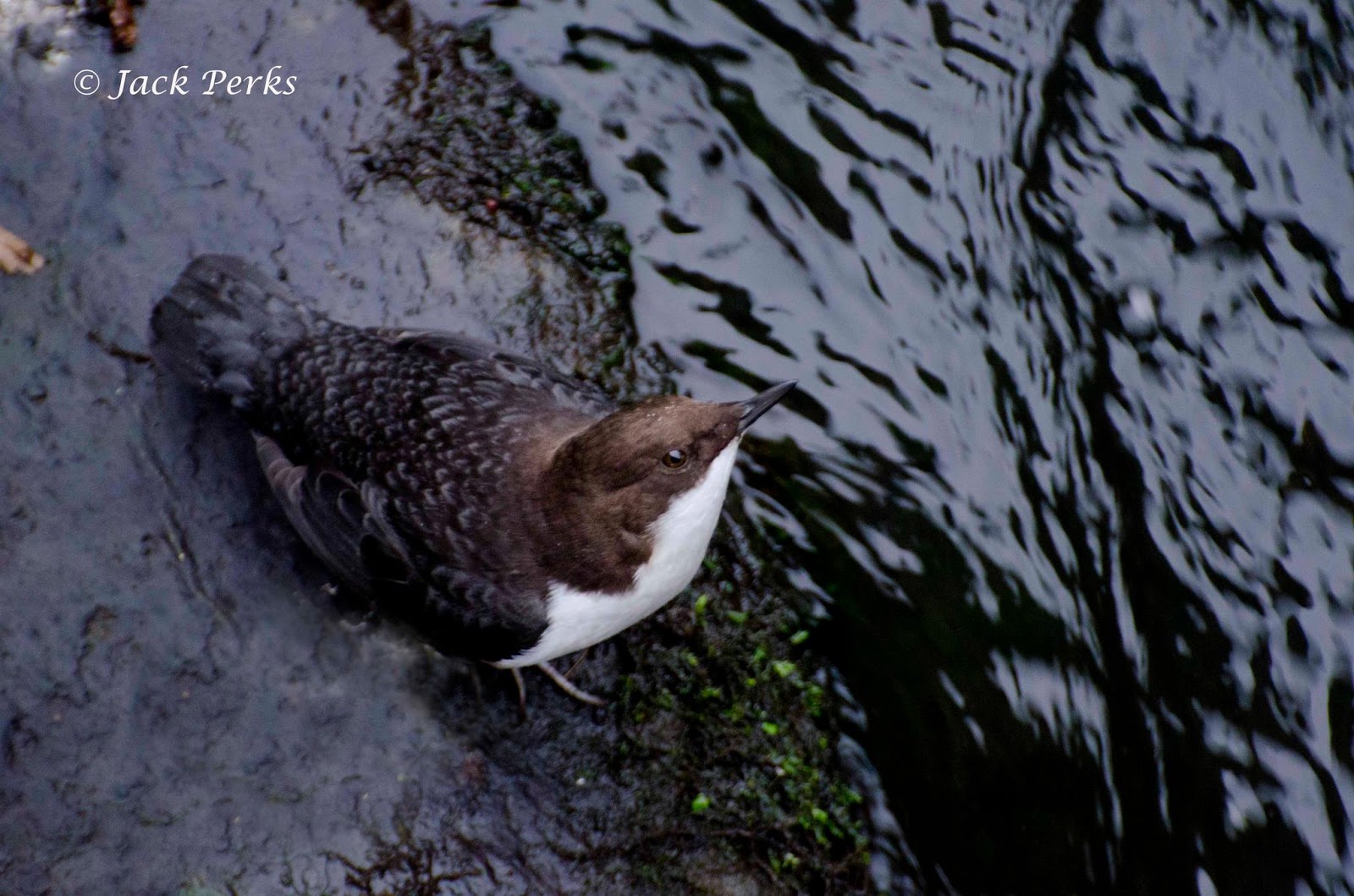
7. Norfolk - Dipper
While staying with fellow wildlife photographer Josh Jaggard we heard reports of a black-bellied dipper, a rare subspecies of the white-throated dipper.
It showed very well and was not bothered by all the birders who came to see it!
8. Dungeness, Kent - Marsh Frogs
I've heard of marsh frogs but never had a confirmed sighting until I went to Kent which is crawling with them! Every lake, ditch, canal and marsh has them and they have become a important food source for a lot of local birds.
9. Bristol - Insects
While having an exhibition in Bristol I took the time to get some shots in its local parks and found more wildlife than I'd expected! Newts, tadpoles, beetles, jackdaws are all living quite happily in the middle of Bristol.
Went to visit one of my favourite local nature reserves today, Attenborough Nature Reserve
The light was brilliant for a change and started off near the visitor's centre, where the birds are more tame, and getting low for a better perspective.
With the ice being all over the ground and water, lots of birds have been pushed closer to the edge of the lakes so by waiting at the side patiently I got shots of the tufted ducks.
It's a shame I don't shoot more environment shots but the frost on the vegatation was standing out to me.
Though quite far, this Goosander was on the top of my hitlist to photograph. I think a hide would be better for these as it proved very skittish.
Hint -
- Visiting a reserve in a differnet season will reveal differnet highlights with winter comes frost, snow and colder weather which makes nice images and brings migrating birds.
- i got down low which is a standard practice now getting more on there level and a more engaging image.
So i haven'nt really done a blog on my project yet but i though i'd put in detail what i'm planning to do and how people can get involved and help.
This project aims to look at Britains smaller freshwater fish and look into the the decline of them and to find out why this is happening. Rasing awareness for the species is key using a mixture of science and underwater photography to create a unique and special project. This project is funded by National Geographic and realies heavily from the public filling in surveys, voulnteering and general support which is needed.
Species like 10 spined stickleback are increasingly rare (or miss identified as 3 spined stickleback) and Spined loach are only found in five British rivers, becasue of there tiny size they often get over looked but without these smaller fish starting the food chain off the kingfishers and otters everyone likes to see simply would'nt be present!
The main way people can help is to fill in my survey or pass it on to other people weither there a angler or have some kind of background that would put them into contact with smaller fish.
Heres a interview i had with BBC Radio Nottingham about the project
The project runs from April - September 2013 and with the scientific help from Dr. Nicholas Ray of Nottingham Trent University the project aims to be a mix of science and media.
Part 2 of my interview with BBC Radio Nottingham
Rough timeline of project (subject to change)
April - VOULNTEERS NEEDED! - Surveys around a number of rivers in the East Midlands including the Trent, Leen, Derwent, Erewash, Soar and Witham if you think you can help get in contact via the Facebook Page - Facebook Page or email jackperks07@hotmail.co.uk
20th April - Species Fishing Match - a charity event to raise money and awareness for the project on Nottingham/Beeston canal aiming to catch as many species as possible. cash prizes to be won!
I've had a week of birds going for a range of species.
i started in Carlise for the Starling murmuration a truly breath taking experience with thousands flying above my head and sparrowhawks and buzzards darting in picking of the weaker ones.
Later in the week i herd of reports of Waxwings in Nottingham a species i have never seen. going along with fellow Nottingham bird photographer Rob Hoare we came across a flock of over 100!
filming and seeing these birds was a great experience especially so close to my home.